Zero Waste Kitchen Basics: Easy Ways to Use Scraps Without Overthinking It

Last Updated on 22 August 2026 by Karolyn
I didn’t come to zero waste cooking through perfectly labelled jars or a sudden personality transformation into someone who remembers to compost every citrus peel.
I came to it through tiredness. Through opening the fridge, seeing food that was still perfectly usable, and feeling quietly annoyed at the idea of binning it just because I didn’t have the energy to “do something impressive” with it.
So this is my version of zero waste kitchen basics. It’s not strict, aesthetic, or especially organised. It’s mostly about noticing what I already have and finding small, low effort ways to stretch it a little further.
These zero waste kitchen basics are some of the easiest low effort ways to reduce food waste while building a more useful homemade pantry.
Some weeks I’m brilliant at it. Other weeks I rediscover a freezer bag of scraps I forgot existed entirely. Both situations feel very human to me.
If you’re looking for realistic, spoonie-friendly ways to waste less food without turning cooking into another exhausting project, you’re in the right place. This is about doing what you can, when you can, and letting that be enough.

🌿 What Zero Waste Cooking Actually Looks Like in My Kitchen
For me, zero-waste cooking isn’t about never throwing anything away. It’s about giving food a second chance when it’s easy to do so, and not beating myself up when it isn’t.
It usually looks like this:
- Keeping a freezer bag for veg scraps and dealing with it later
- Using fruit that’s a bit soft in syrups or compotes instead of forcing myself to eat it fresh
- Making small batches so nothing becomes another job to finish
- Choosing the freezer over “I’ll remember this” (I won’t)
I don’t aim for perfection. I aim for fewer moments of “ugh, I should’ve used that.” If something gets used one extra time before ending up in the bin, I count that as a win. If it turns into a recipe I actually want to make again, even better.
Everything in this post is something I genuinely make and reuse in my own kitchen. No perfect sustainability routines. Just practical habits that fit around real life. Just practical ideas that fit around real life, low energy days included.
🧂 Easy Pantry Basics You Can Make From Food Scraps
These are the zero-waste recipes I come back to again and again because they don’t feel like a project. They’re small, useful upgrades that fit into the gaps of normal cooking, rather than demanding a whole afternoon and a clean kitchen.
If something takes more energy to make than it saves later, I know I realistically won’t keep doing it. Everything here has passed that test.
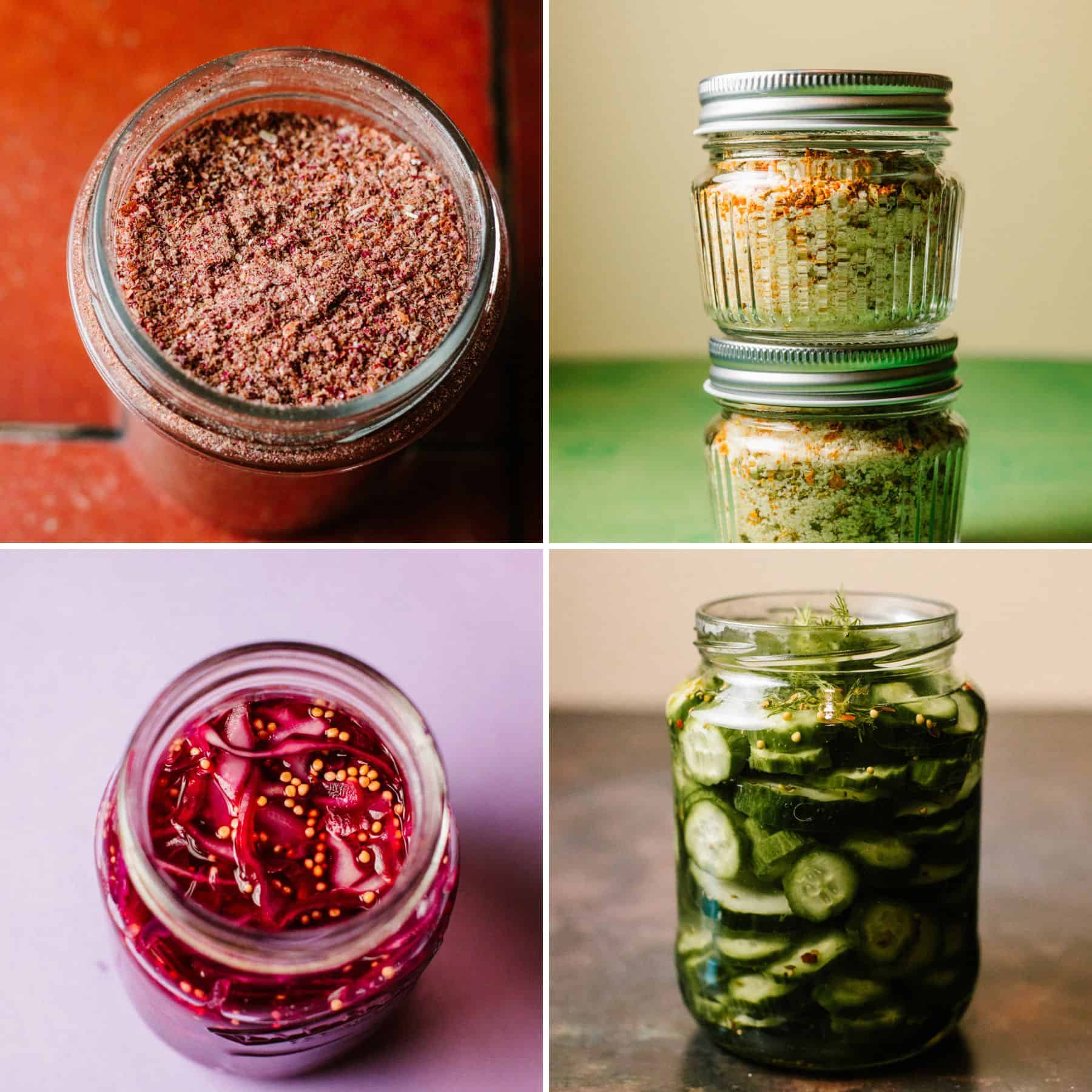
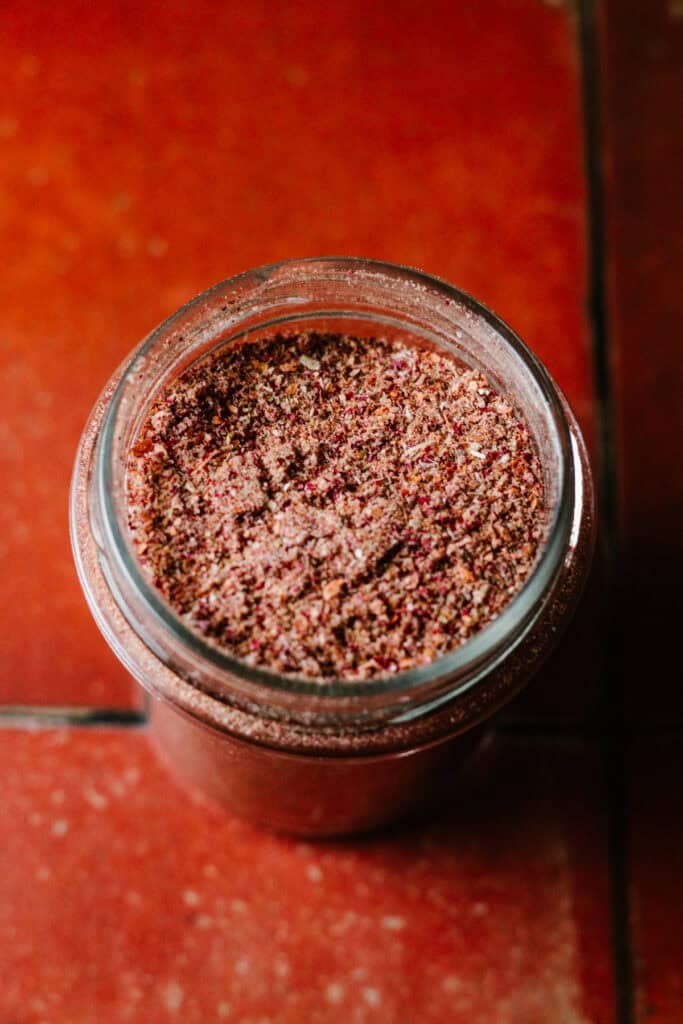
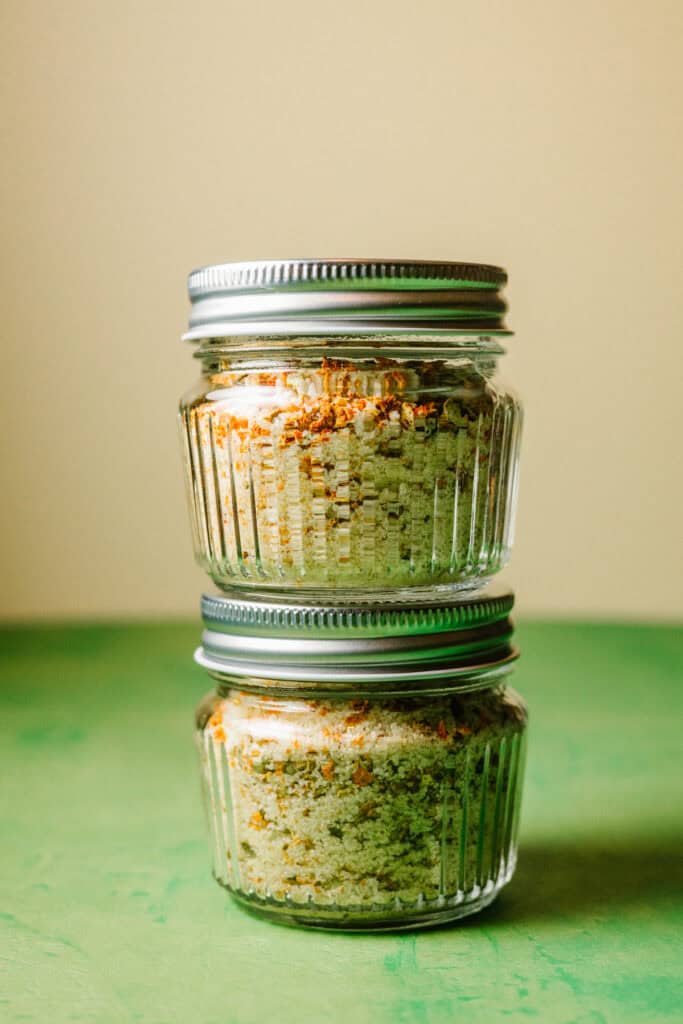
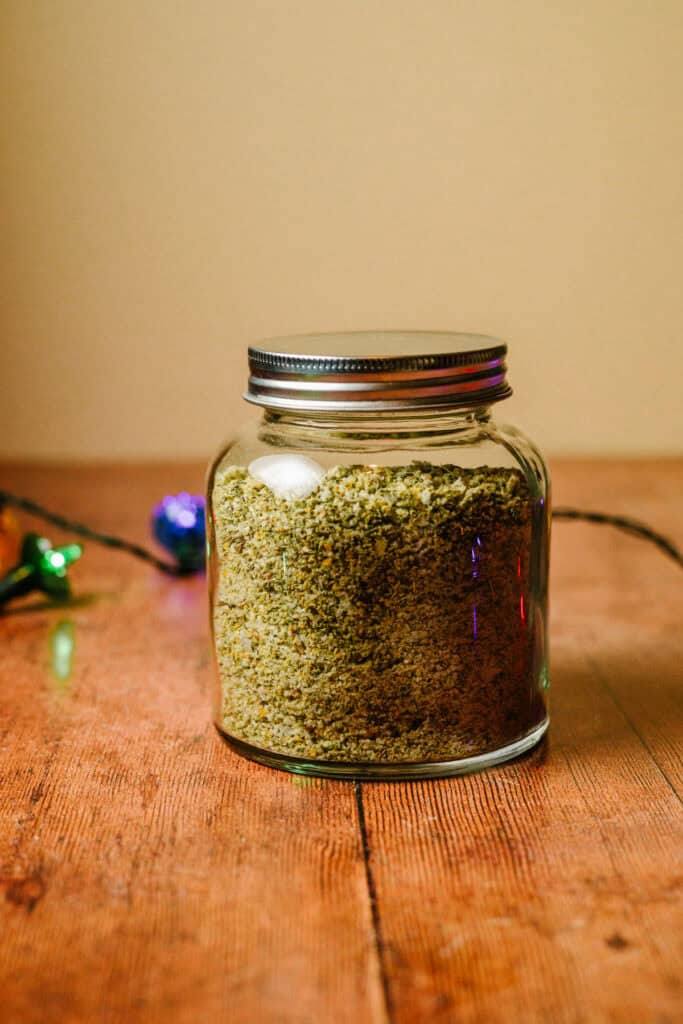
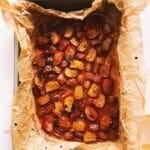
Using odds and ends that would otherwise be binned, I regularly make things like vegetable scrap seasoning, which turns frozen peelings and stems into something genuinely useful, and homemade citrus salt, where leftover lemon or orange zest quietly improves everything from roast veg to eggs on toast.
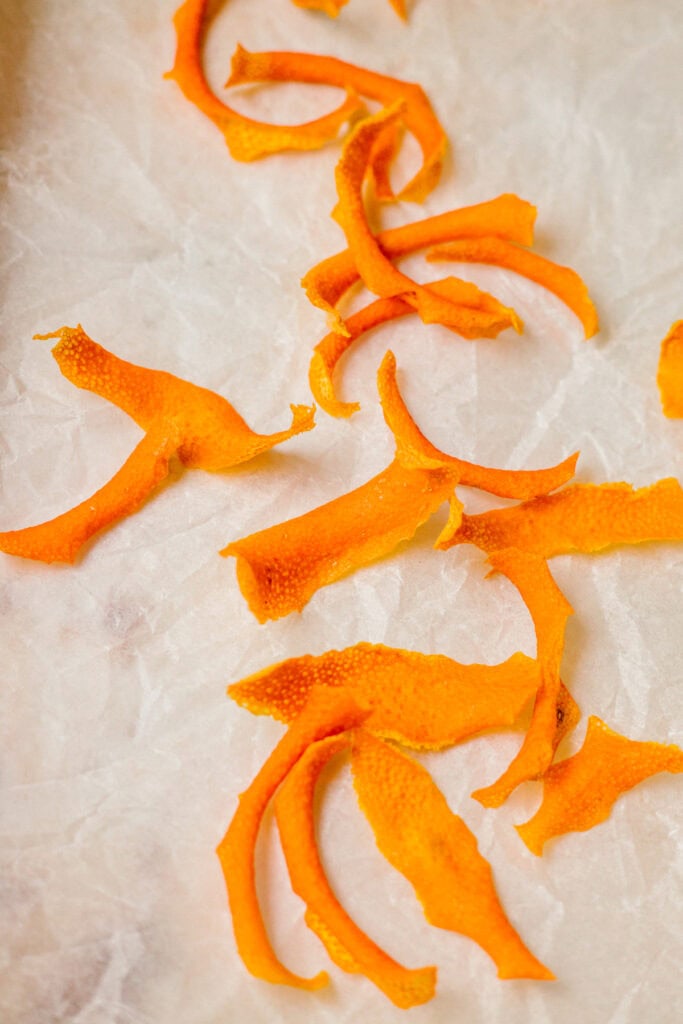
When I’ve got citrus peels hanging around, I’ll dry them properly and stash them for later. Once I started drying orange peel properly, it stopped feeling like waste and started feeling like another ingredient waiting for its turn.
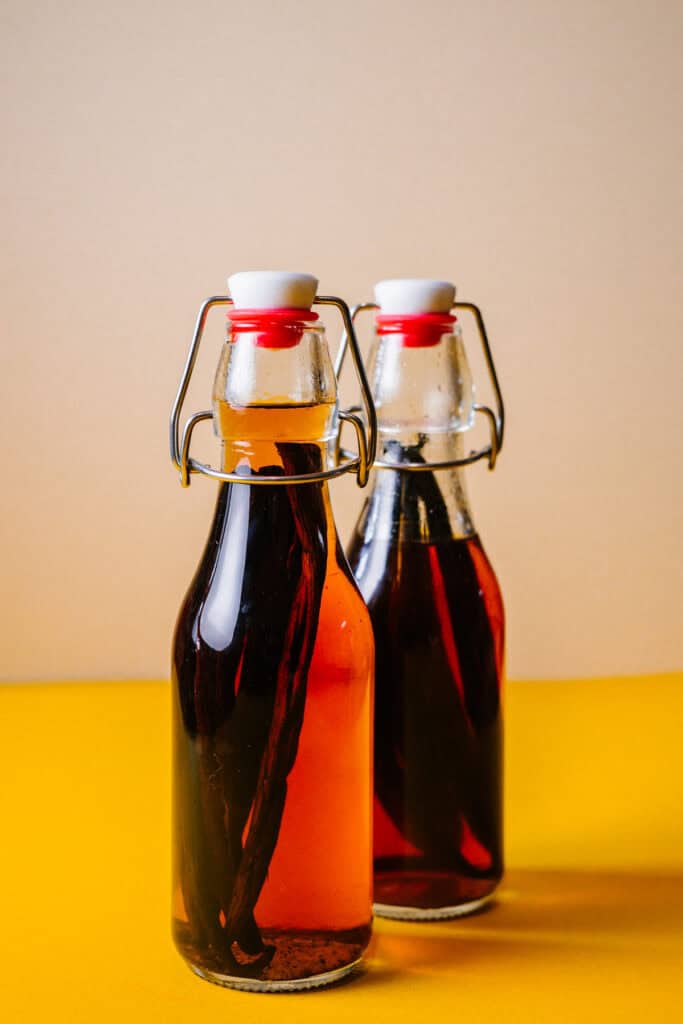
I also treat spent vanilla pods the same way. Instead of throwing them out, they go straight into sugar or alcohol to make homemade vanilla sugar or easy homemade vanilla extract. It’s one of those swaps that feels almost smug. Free flavour, no extra effort.
None of these are about being virtuous. They’re about making the most of ingredients you’ve already paid for, in ways that actually get used.
A lot of these recipes quietly become homemade pantry staples you reach for without thinking.

❄️ My Freezer Scrap System (Low Effort, No Labels Required)
This might be the least glamorous part of zero waste cooking, but it’s easily the most effective.
I don’t label things. I just keep a few freezer bags on the go and let future me deal with it when she has the energy.
Here’s how it usually works:
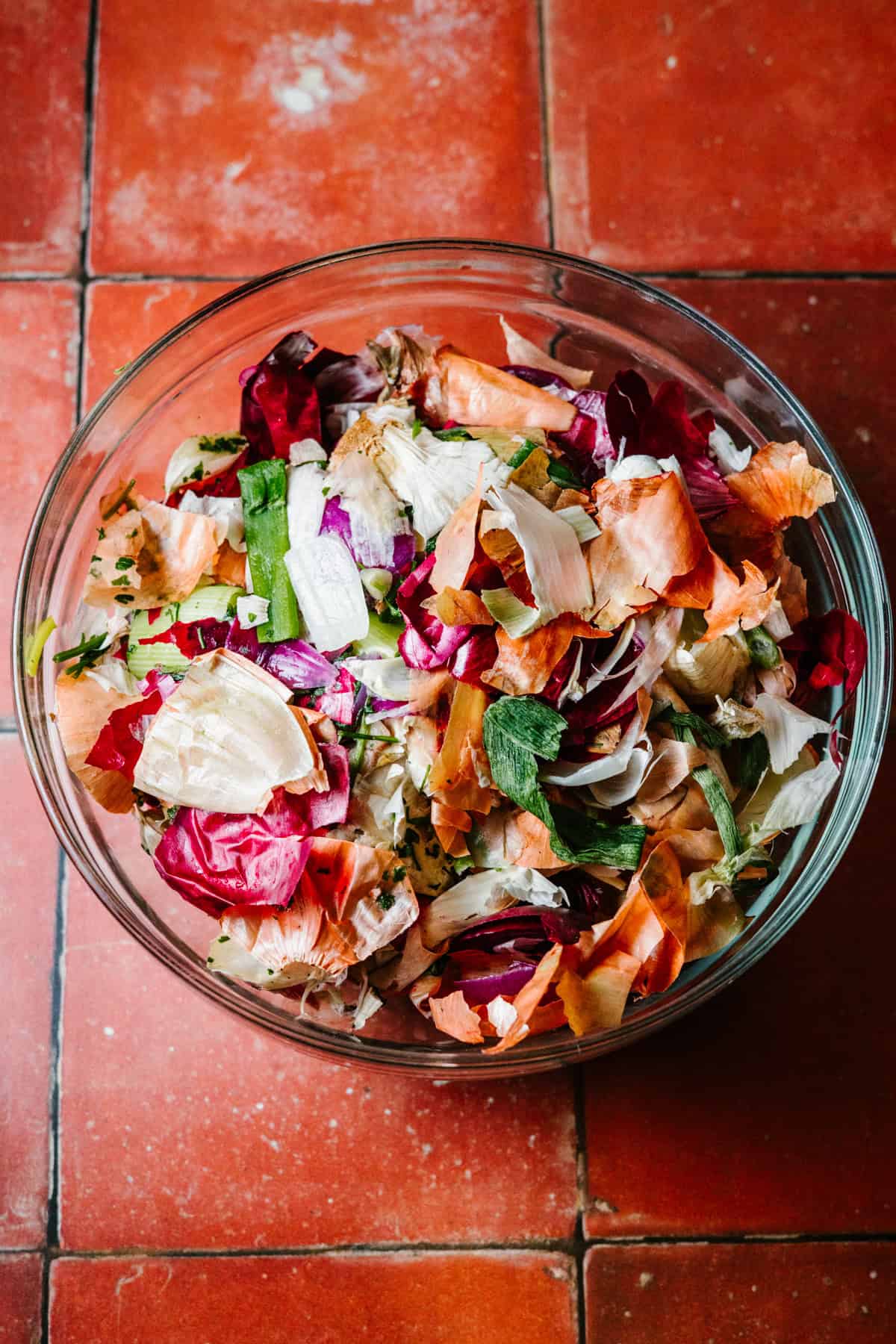
- One bag for vegetable scraps like onion skins, garlic skins, carrot peels, herb stems
- One bag for fruit that’s past its best but still smells good
- One vague “I’ll sort this later” bag, which is doing a lot of heavy lifting
When a bag is full, that’s my cue to make something. The vegetable scraps turn into seasoning or stock. The fruit becomes syrup or compote. If I forget about a bag in the freezer for a while, that’s fine too. Frozen scraps aren’t in any danger of going off, which removes the pressure to act or use them immediately.
This system is especially helpful on low energy days. Instead of forcing myself to deal with scraps in the moment, I just move the decision to a later date. The freezer becomes a pause button rather than another source of guilt.
If you’re trying to waste less food without adding stress, this is the single biggest shift I’d recommend. It doesn’t require too much organisation. It just requires giving yourself permission to deal with things later.
🍓 Using Up Fruit That’s Past Its Best (zero waste ideas that work)
Fruit is usually where food waste sneaks in for me. It looks fine one day, then suddenly it’s soft, a bit tired, and no longer something I actually want to eat as is. That’s where these recipes come in.
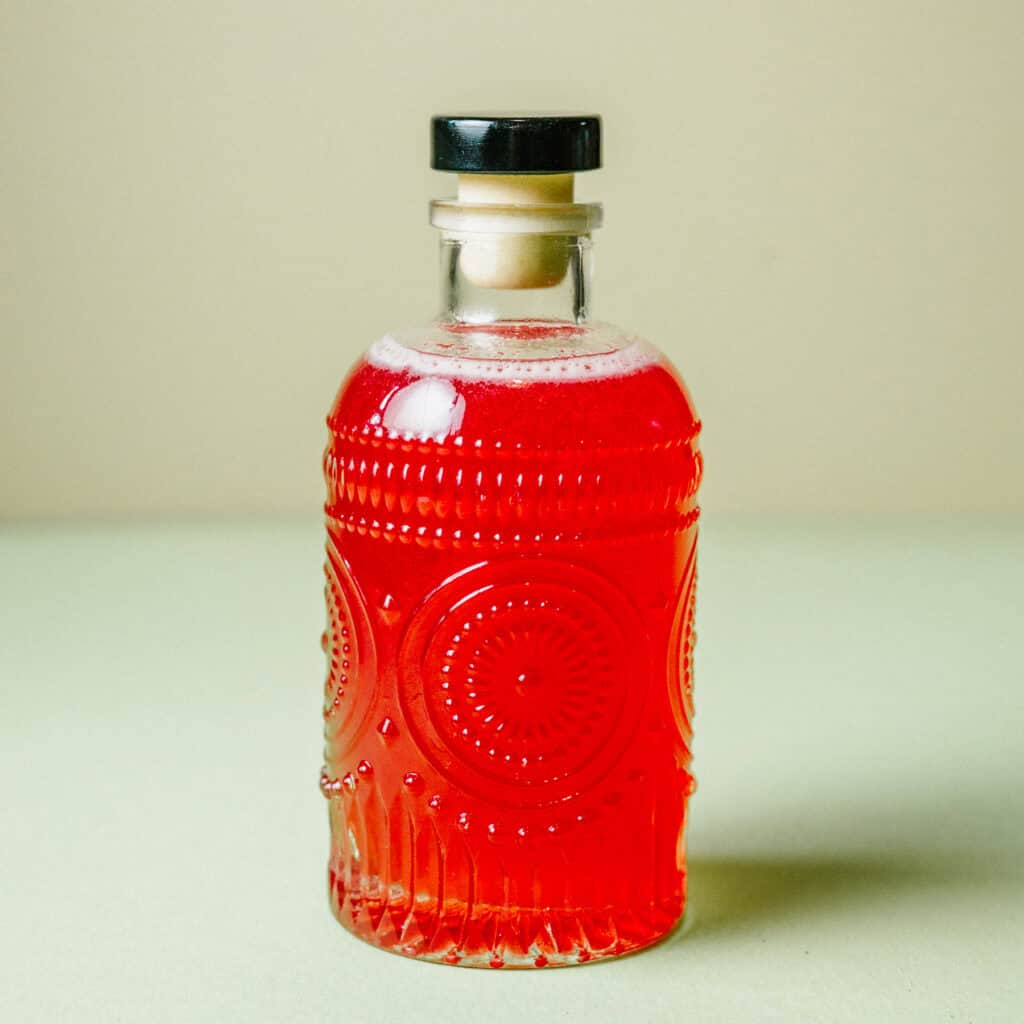
Instead of pushing through and eating fruit I’m not in the mood for, I turn it into something that feels like a treat. Homemade strawberry syrup is one of my most used examples. Slightly soft strawberries are perfect for it, and once it’s made, it gets used in drinks, breakfasts, and desserts without any extra effort.
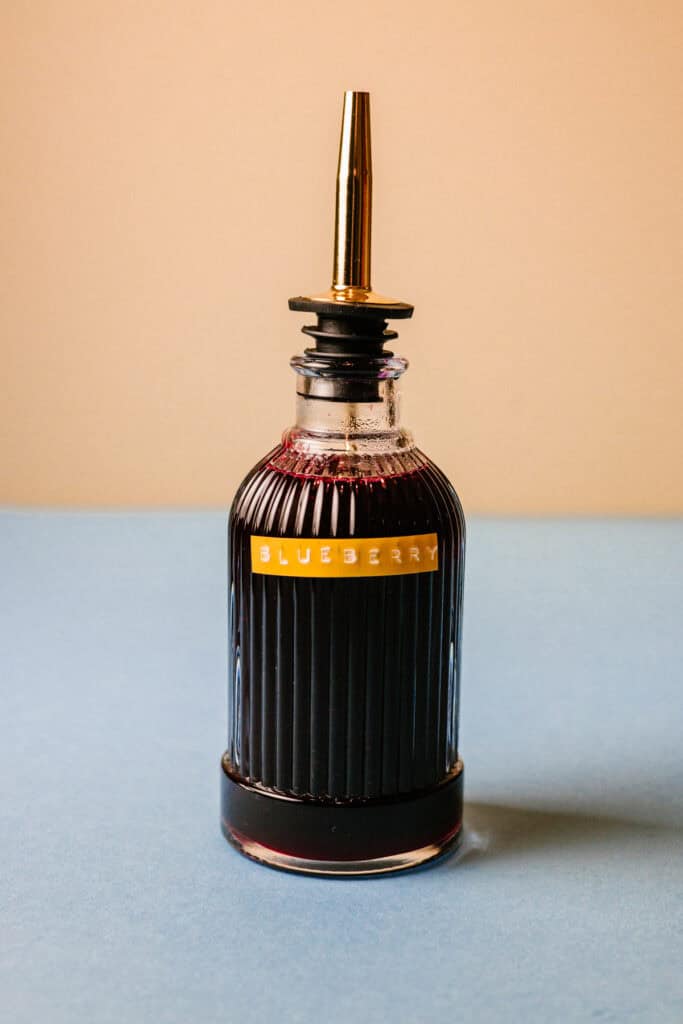
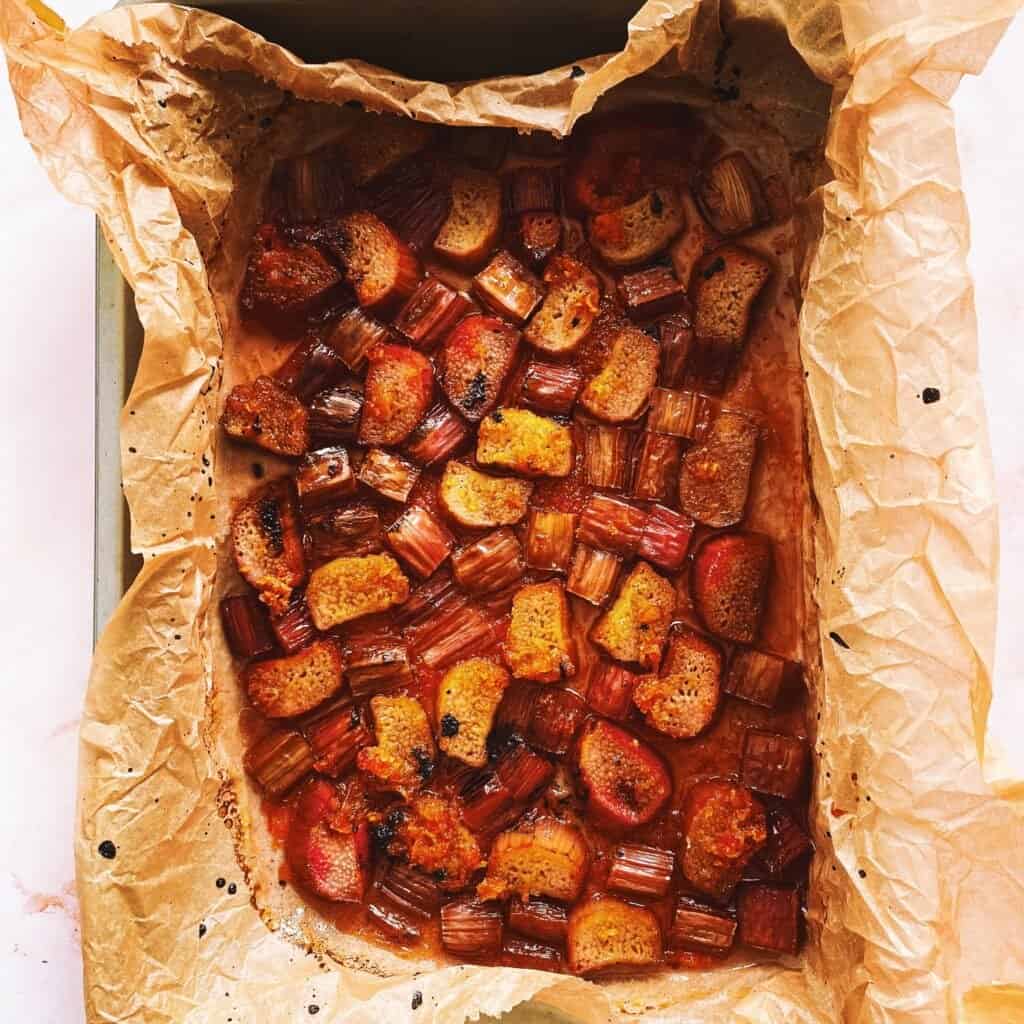
The same goes for homemade blueberry syrup, which is ideal when berries are past their peak but they are still full of flavour. I’ll also make small batches of compote, like rhubarb and blood orange compote, which keeps well and instantly upgrades porridge, yoghurt, or toast.
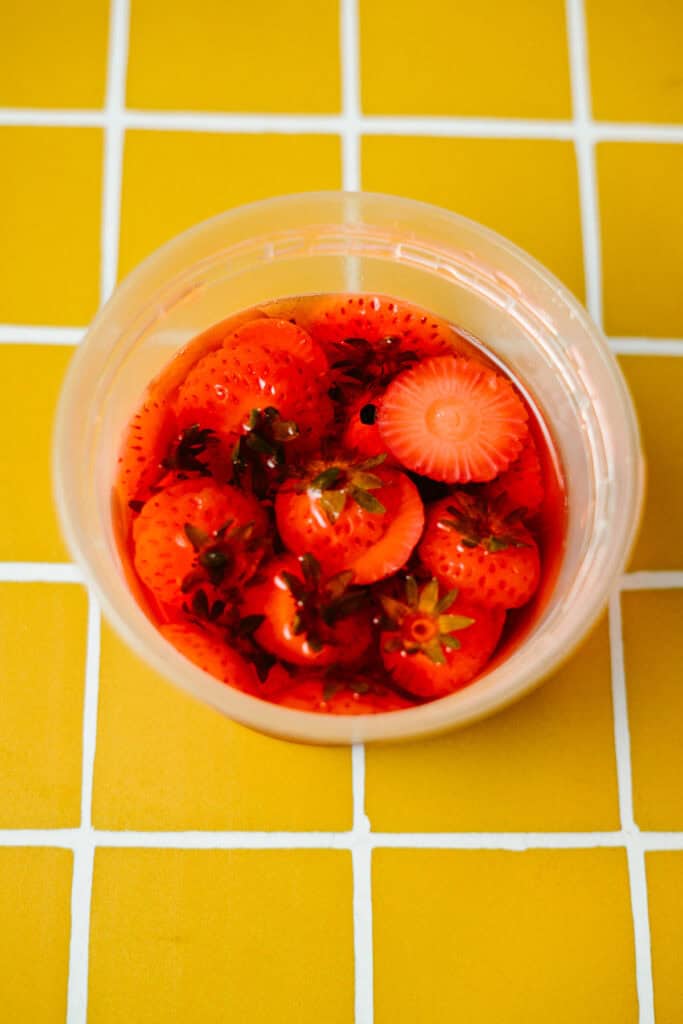
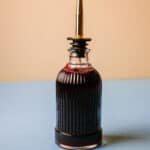
When I want to take things a step further, I’ll use the tops and trimmings too. Strawberry top vinegar is a great example of that. It sounds fancier than it is. Really, it’s just scraps quietly turning into something useful while I get on with other things.
None of this is about rescuing fruit at the last possible second. It’s about having a few gentle fallbacks that mean fruit doesn’t have to be perfect to be worth keeping. If it’s still safe to eat, it’s usually still good for something.
🥒 Pickles, Preserves & Small-Batch Zero-Waste Saves
This is the stage where I stop pretending I’ll “use that up tomorrow” and just pickle it instead.
When veg is heading towards floppy but still perfectly fine, pickling is one of the easiest ways to pause the clock without much effort. It doesn’t need to be complicated or perfectly measured. It just needs to be useful.
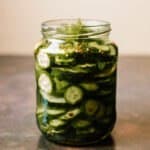
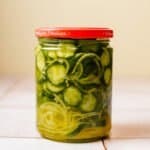
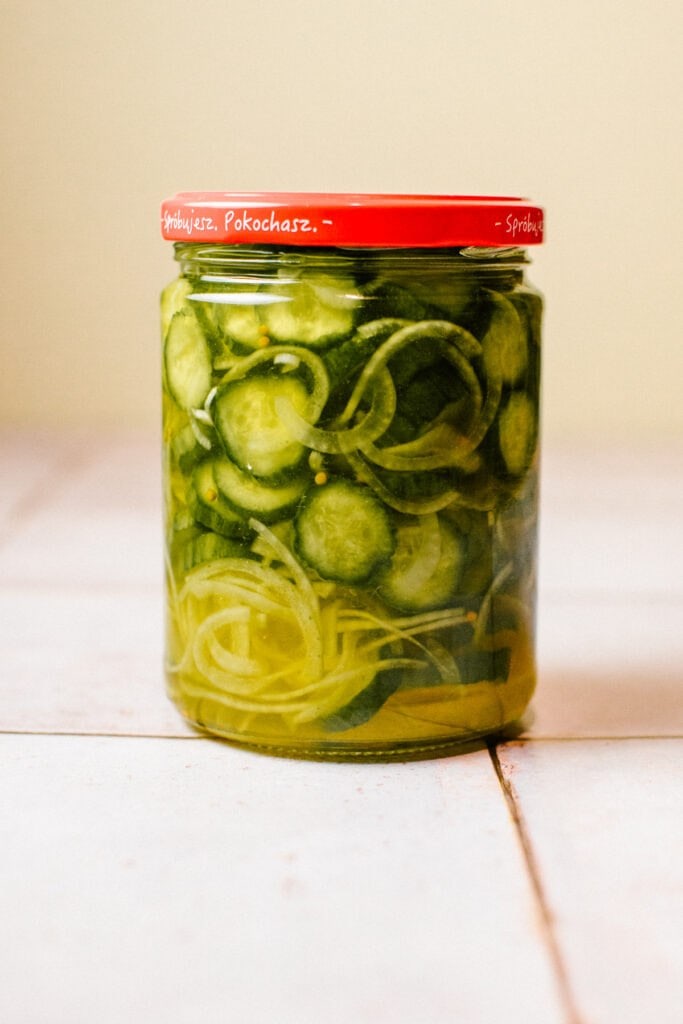
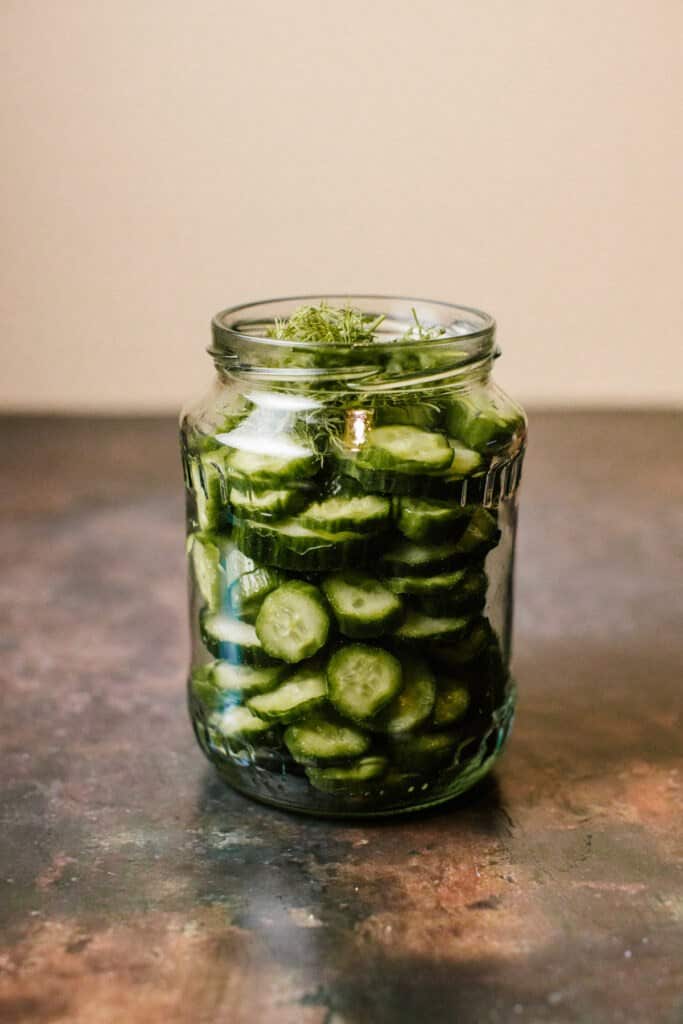
Things like cucumber dill pickles and bread and butter pickles are my go-tos when the fridge salad drawer needs rescuing. They’re quick, forgiving, and can instantly make simple meals better. Sandwiches, toasties, salads, or picky bits for dinner. All improved by something sharp, tangy and crunchy on the side.
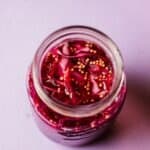
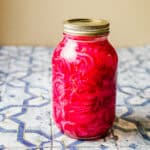
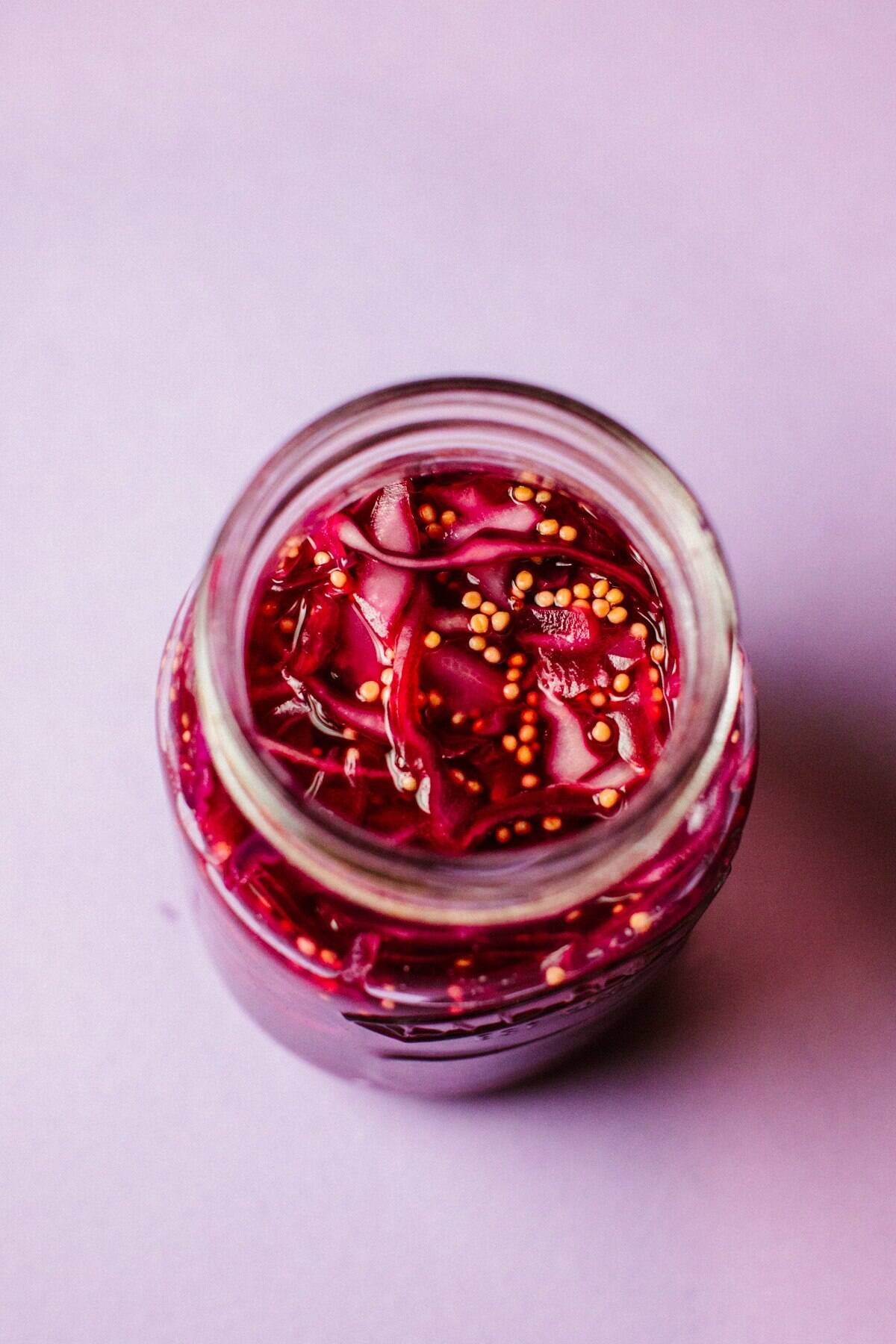
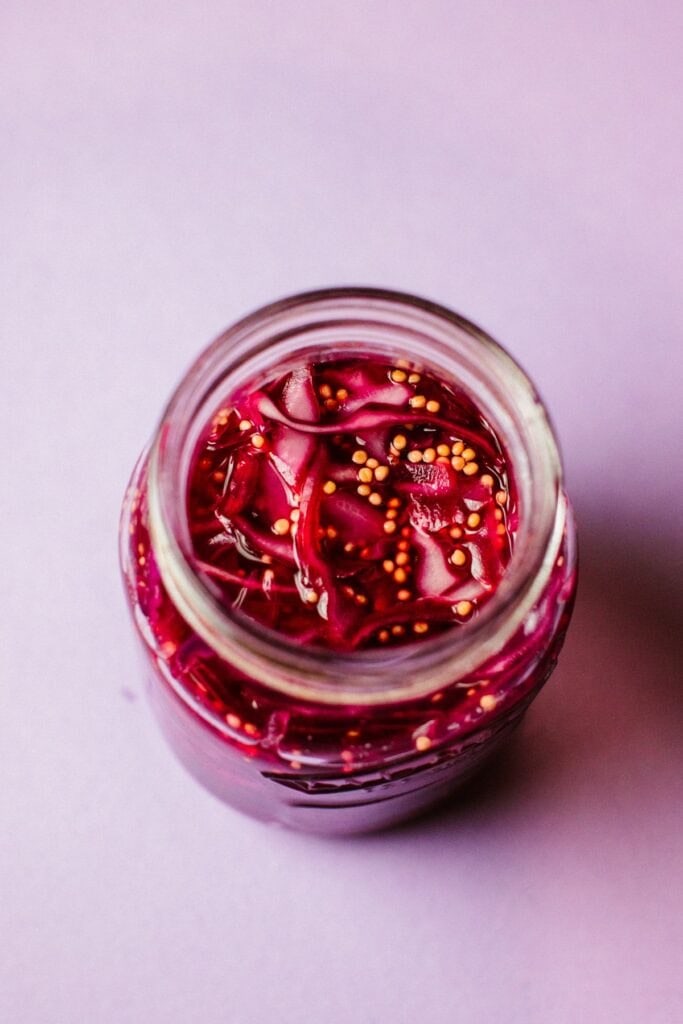
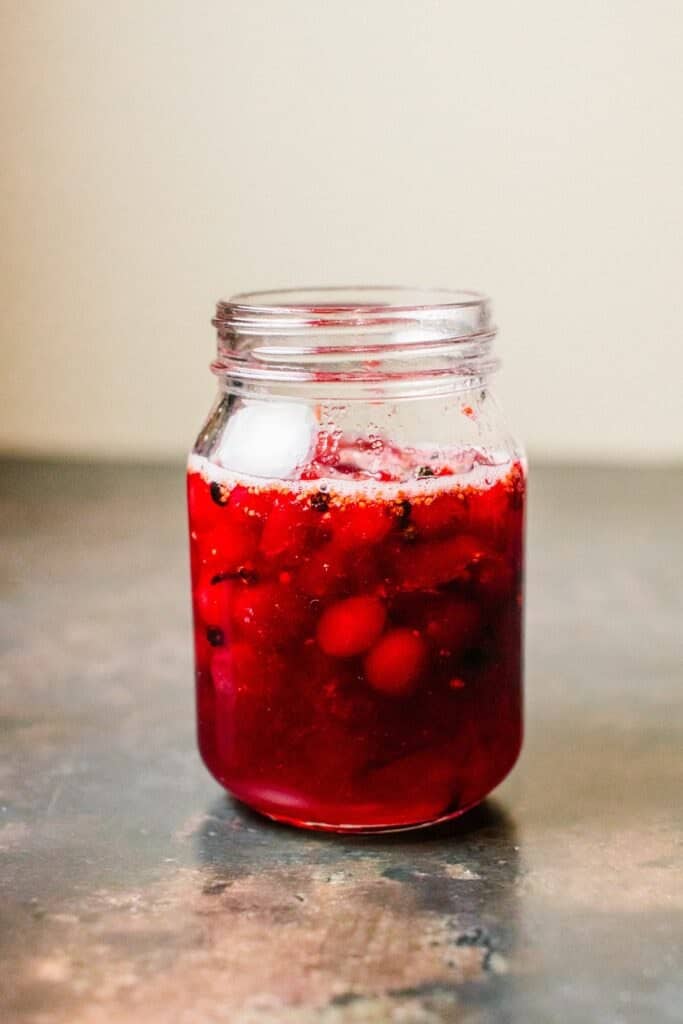
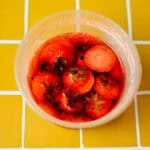
For sturdier vegetables, pickled red cabbage is one I come back to a lot. It lasts really well in the fridge, it adds acidity to heavier meals, and feels like a small win every time I remember it’s there. Around the holidays, I’ll also make pickled cranberries, which are brilliant with cheese, Christmas dinner leftovers, or anything rich.
I like keeping these as small batches. Whilst big jars sound productive, small ones will actually get finished. And finishing a jar is far more satisfying than discovering it at the back of the fridge six months later and quietly closing the door on it again.
Pickling, for me, isn’t about preserving things forever. It’s about giving those ingredients a second life that fits around how I actually eat.
🌟 Start Here: Easy Zero Waste Recipes I Actually Use
If you’re new to zero-waste cooking or just don’t have the energy to overhaul how you cook, these are the recipes I’d start with. They’re simple, flexible, and genuinely useful, even on tired days.
If you only try one thing, make it one of these.
Pantry basics from scraps
- Vegetable scrap seasoning – the easiest way to turn freezer scraps into something you’ll reach for all the time
- Homemade citrus salt – a small upgrade that makes everyday food taste better
- Homemade vanilla sugar – free flavour from something you’d normally throw away
Fruit forward, low-effort wins
- Homemade strawberry syrup – perfect for soft fruit and endlessly useful once it’s made
- Strawberry top vinegar – a gentle way to use every last bit without extra work
- Homemade blueberry syrup – ideal when berries are past their best
Pickles that actually get eaten
- Cucumber dill pickles – quick, crunchy, and great with almost anything
- Bread and butter pickles – sweet, sharp, and brilliant for sandwiches
- Pickled red cabbage – keeps well and adds life to heavier meals
- Pickled red onions – the perfect accompaniment to tacos and sandwiches
None of these require perfection, advanced prep, or loads of energy to keep up with. They’re here to make everyday cooking feel a bit calmer, a bit more intentional, and a bit less wasteful without adding pressure.
FAQ ❓
Usually, yes. Small things like homemade seasoning blends, syrups, infused sugars, and pickles help stretch ingredients further and reduce the amount of food being thrown away.
Homemade seasoning blends, dried citrus peel, syrups, and quick pickles are some of the easiest low effort starting points because they require very little active cooking.
Not usually. Most of these recipes are built around ingredients you already have, like vegetable scraps, soft fruit, citrus peel, or leftover herbs. The goal is usually to stretch ingredients a bit further rather than buying lots of extra things.
Not at all. Most of these recipes can be made using an oven, air fryer, or just a little extra drying time at room temperature.
For me, yes, but only the low effort ones. If something quietly makes cooking easier later on, like seasoning blends, syrups, or pickles, it usually earns its place pretty quickly.
🧠 A Gentle Reminder Before You Go
Zero-waste cooking isn’t something you succeed or fail at. It’s just a collection of small choices that sometimes happen and sometimes don’t.
Some weeks you’ll turn scraps into something brilliant and feel quietly pleased with yourself. Other weeks you’ll forget what’s in the fridge entirely and order toast for dinner. Both of those weeks still count.
If this post gives you one new idea, one recipe you actually make, or even just permission to stop feeling guilty about food waste, then it’s done its job. You don’t need to do everything here. You don’t need to remember everything here. Start where it feels easiest and leave the rest for another day.
That’s usually how these habits become sustainable in the first place.
💛 Let’s Keep Cooking Gently
If this post gave you even one new idea for using something up instead of throwing it away, I’d call that a success.
Zero waste cooking doesn’t need to be perfect to be worthwhile. Sometimes it’s a beautifully organised freezer system. Sometimes it’s remembering the sad herbs in the fridge before they become compost. Both count.
If you want more low effort recipes, homemade pantry staples, and gentle kitchen ideas, you can come find me over here:
- Follow along on Instagram for everyday cooking, soft routines, and behind-the-scenes kitchen content
- Save ideas on Pinterest for those low energy days when you just want inspiration without thinking
- Join my newsletter for gentle food emails, comfort recipes, and things that don’t demand much of you
- You’ll also find me on Threads, Bluesky, and TikTok, sharing the same calm, no-pressure approach to cooking
And if you’ve got your own favourite “scraps turned into something useful” recipe, I’d genuinely love to hear about it.
🌿 Zero Waste Kitchen Recipes I Actually Use
A lot of these recipes started the same way: with ingredients sitting in the fridge that I didn’t quite want to waste but also didn’t have the energy to turn into a full project.
These are the homemade pantry staples and zero waste recipes I come back to most often because they’re practical, low effort, and genuinely useful in everyday cooking.
🧂 Pantry Basics & Seasonings


🍓 Fruit Save Recipes

🥒 Pickles & Preserves